
future-proof buildings
Zukunftsorientierte Gebäude lassen Veränderungen zu – Heute für morgen planen
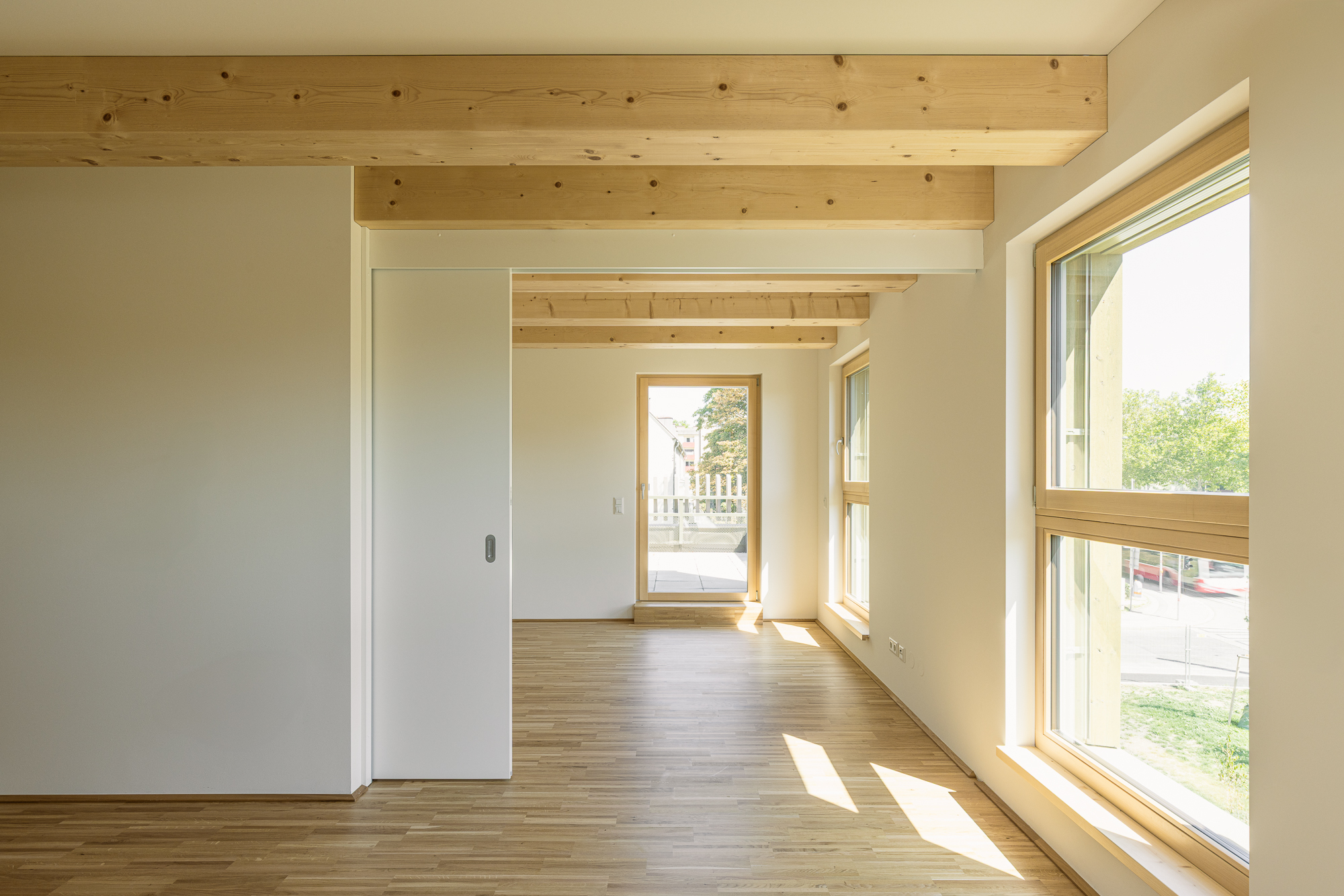
Buildings fit for the future are characterised, on the one hand, by their durable basic structure and, on the other, by their flexibility and adaptability to new circumstances. A robust structural framework, a so-called ‘shell structure’, constructed from just a few load-bearing elements, creates a future-proof framework – and thus an ideal basis for the development of a new generation of Wilhelminian-style buildings. In addition, a ceiling height of ideally 2.8 metres allows for a building structure that can be permanently adapted for hybrid use.
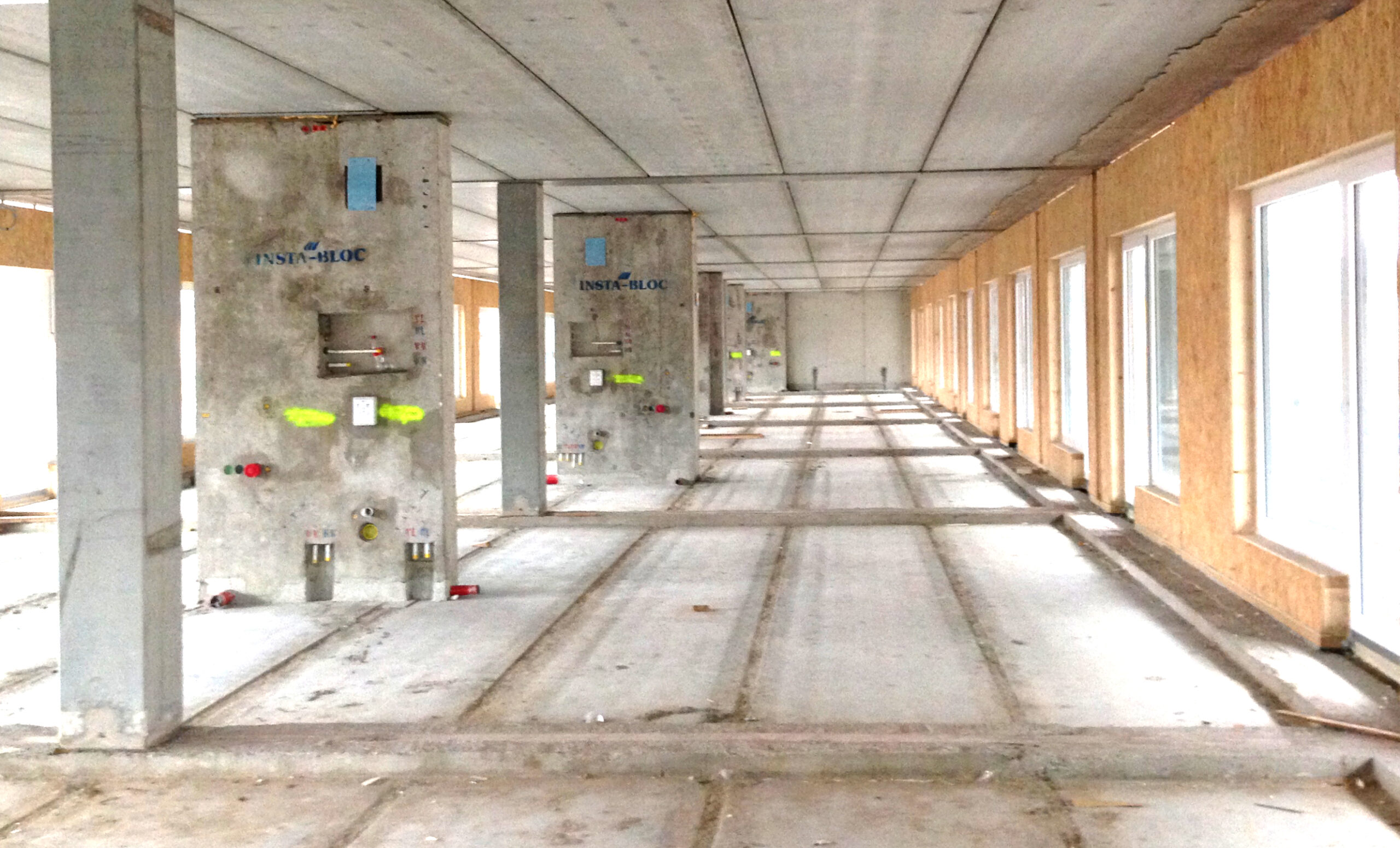
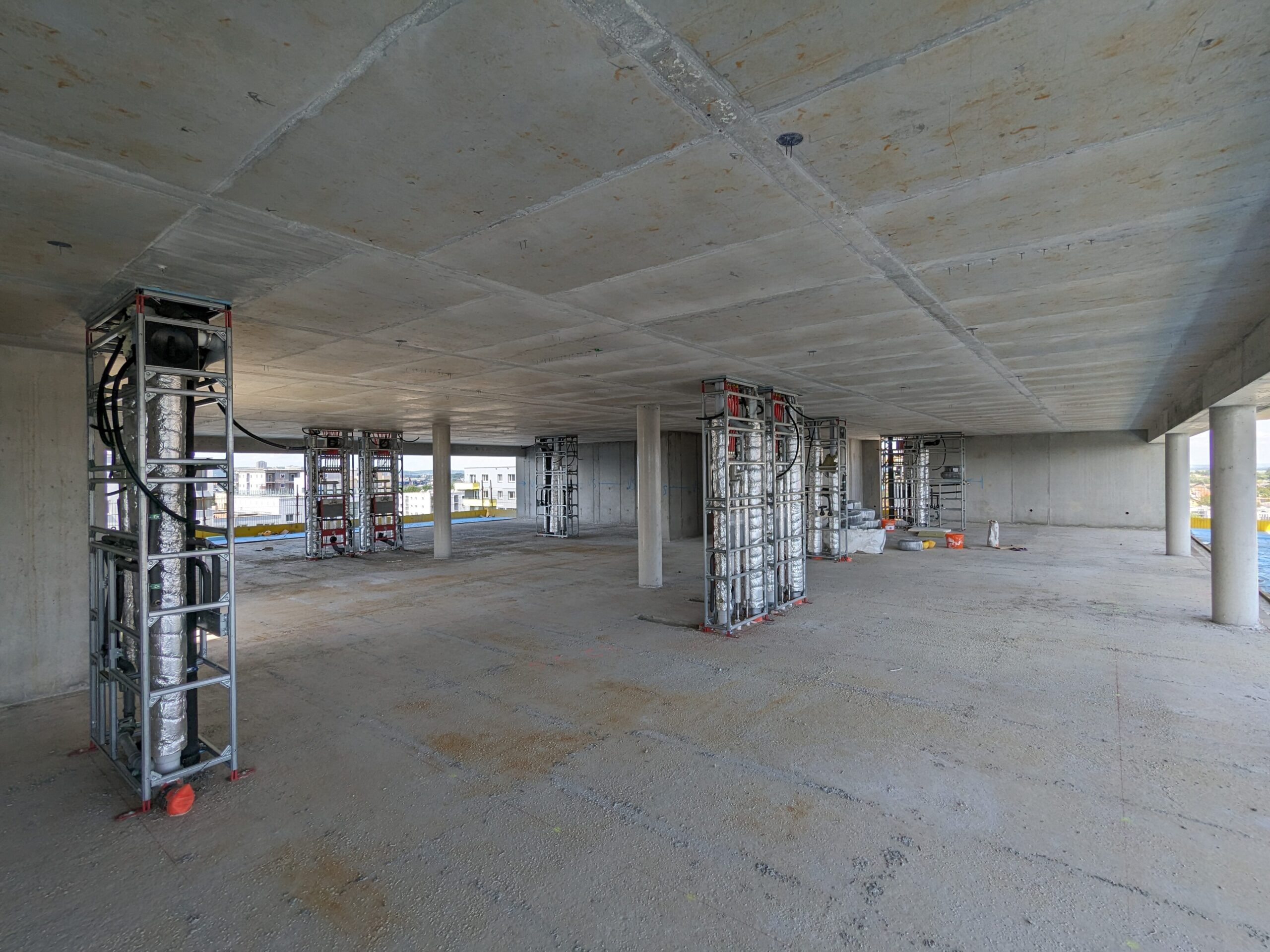
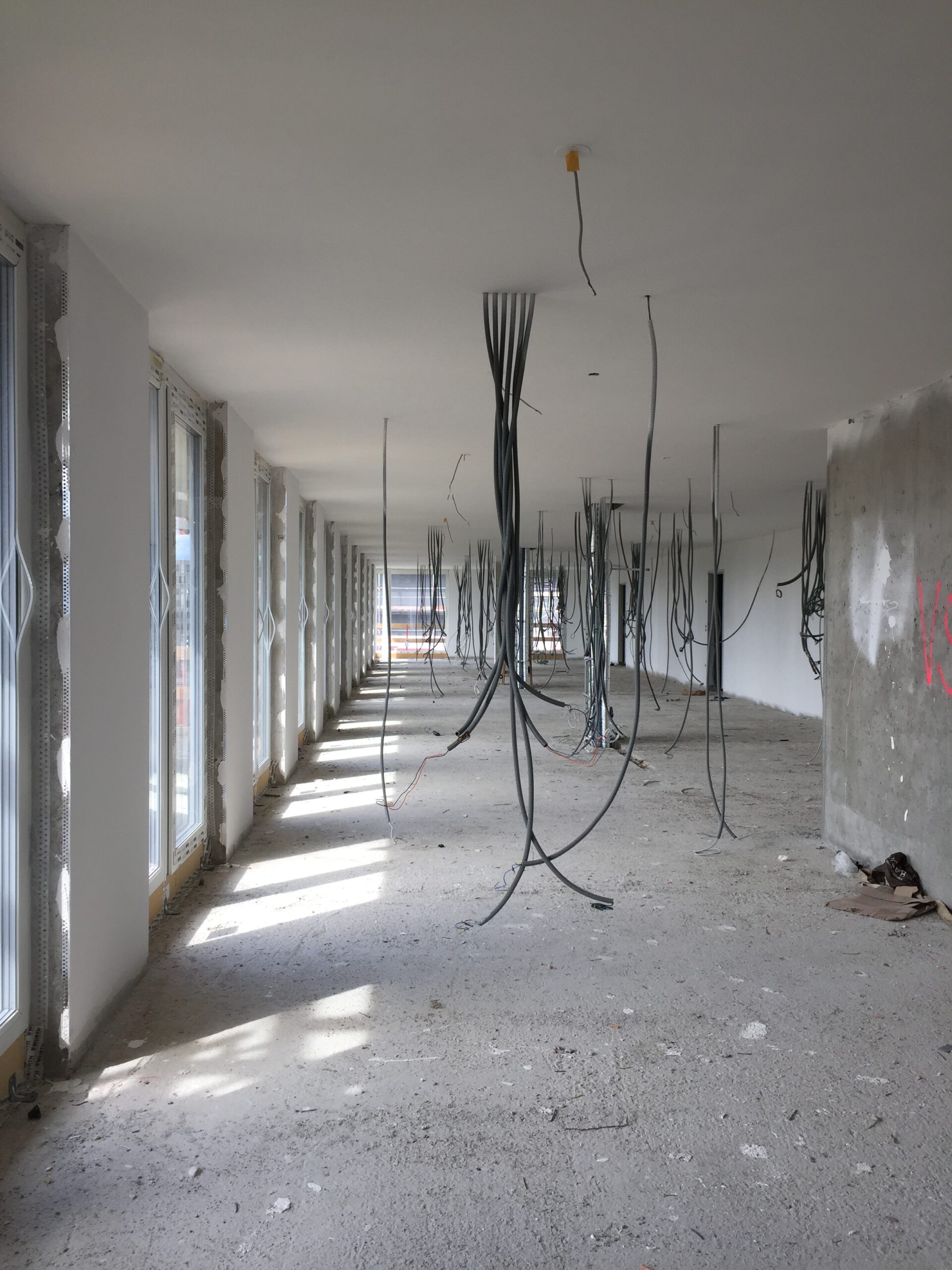
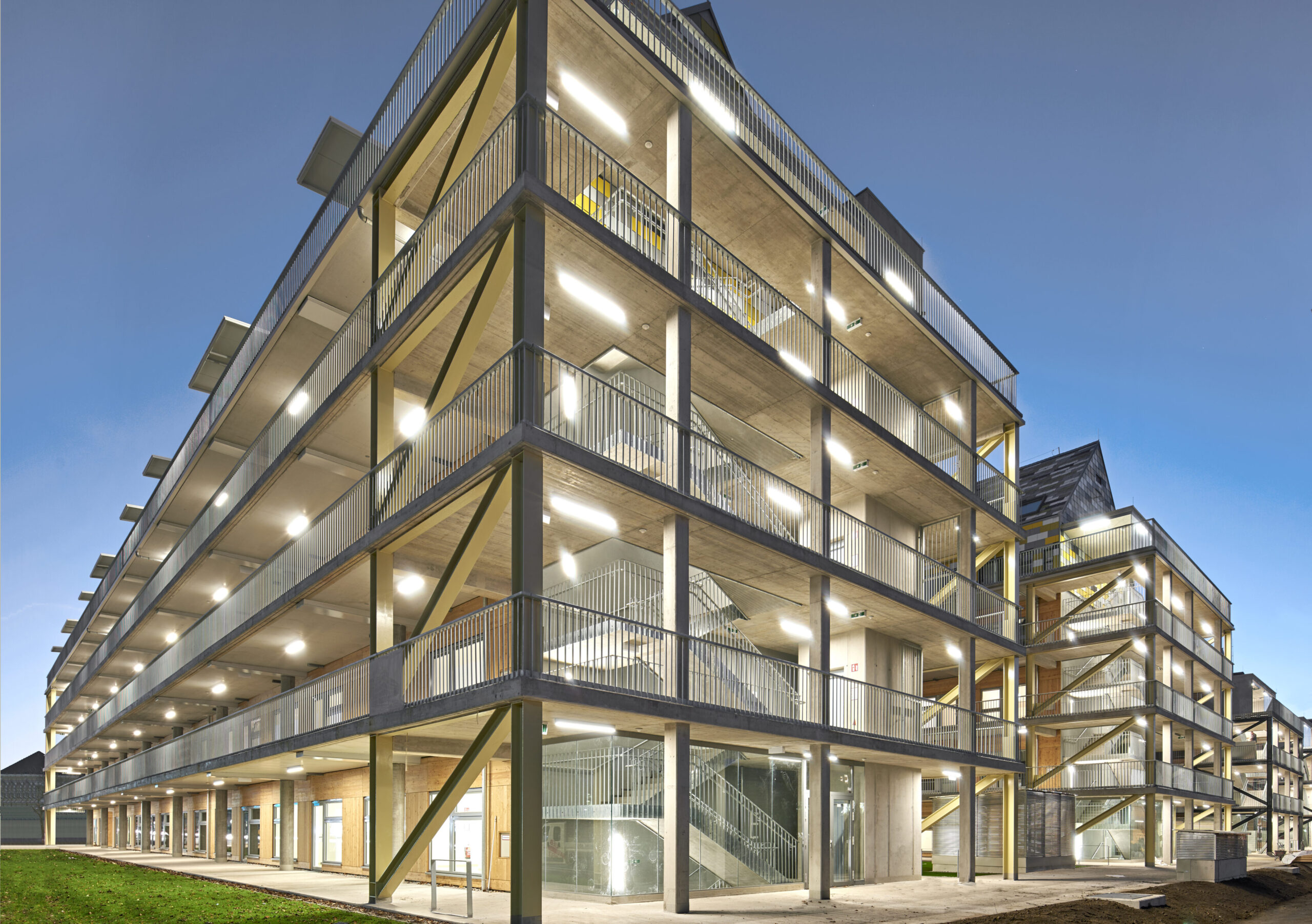
Within the tight economic constraints of subsidised housing construction, concrete continues to play a central role as a building material. When used wisely, it can certainly contribute to sustainability – namely through economical use that is limited to the technically necessary elements, and through a well-designed system that ensures a building can be used flexibly for generations to come.
Where flats are currently housed – spaces that can be flexibly and easily adapted to different life situations – an open-plan office will emerge in fifty years’ time, cost-effectively and without excessive technical complexity. With just a few, carefully positioned load-bearing elements and a seemingly simple shell that can easily accommodate any alterations or changes of use, such a building – sustainable and durable – is already looking to the future.
ecological sustainability
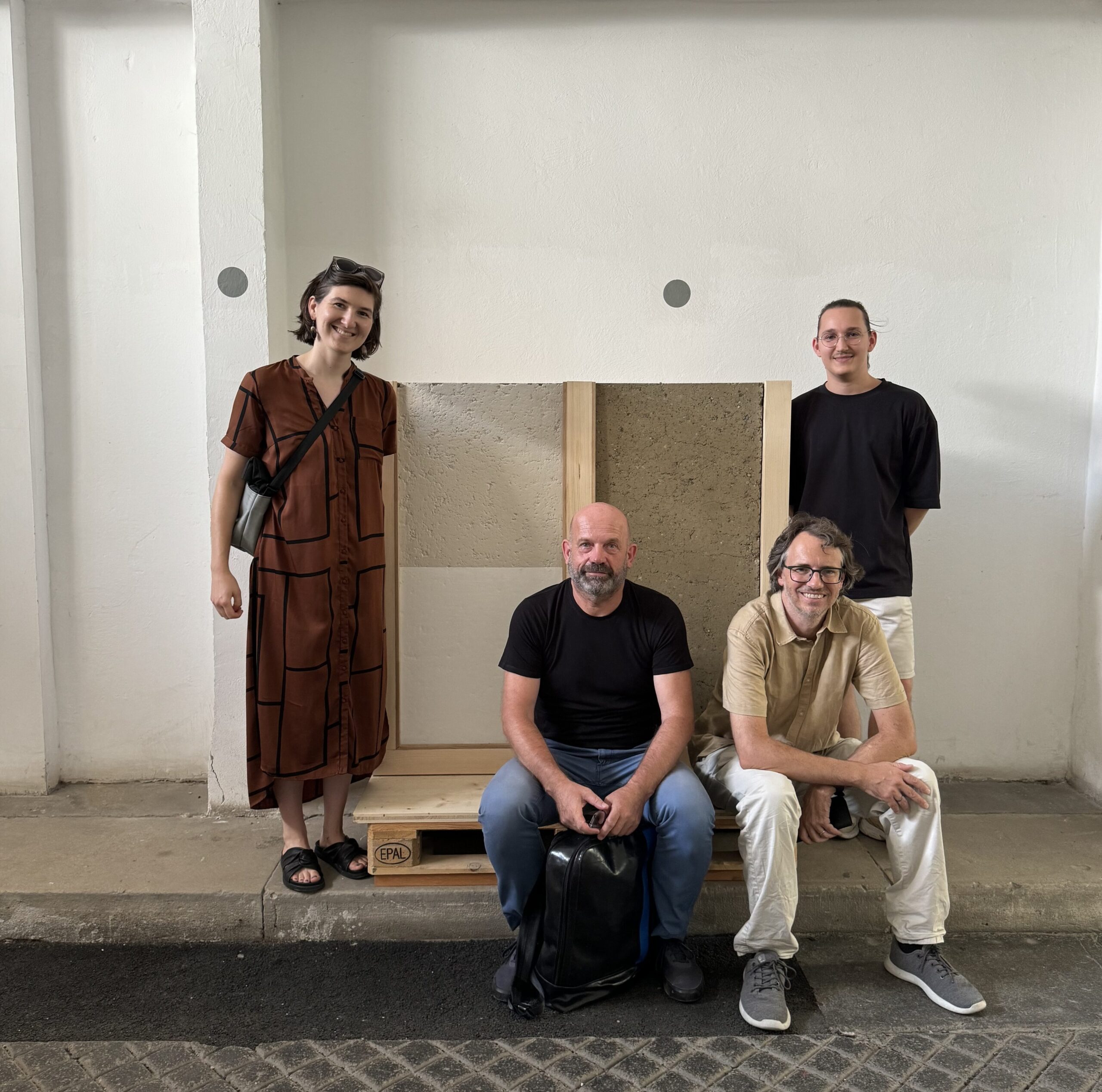
Resource-efficient construction has long played an important role in large-scale housing projects too. New ‘old materials’ are enjoying a revival, and prefabrication, recyclability and reuse are no longer just empty buzzwords but, fortunately, are already a common reality in many buildings. An eco-friendly approach to construction is, of course, not only good for the environment but also for the residents: for example, the hygroscopic properties of the building material clay ensure a comfortable living environment and a significantly better indoor climate; the use of wood has a similarly positive effect on the quality of indoor spaces.
emotional sustainability
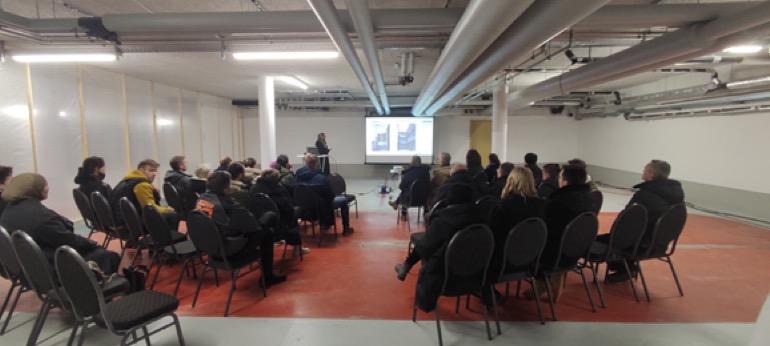
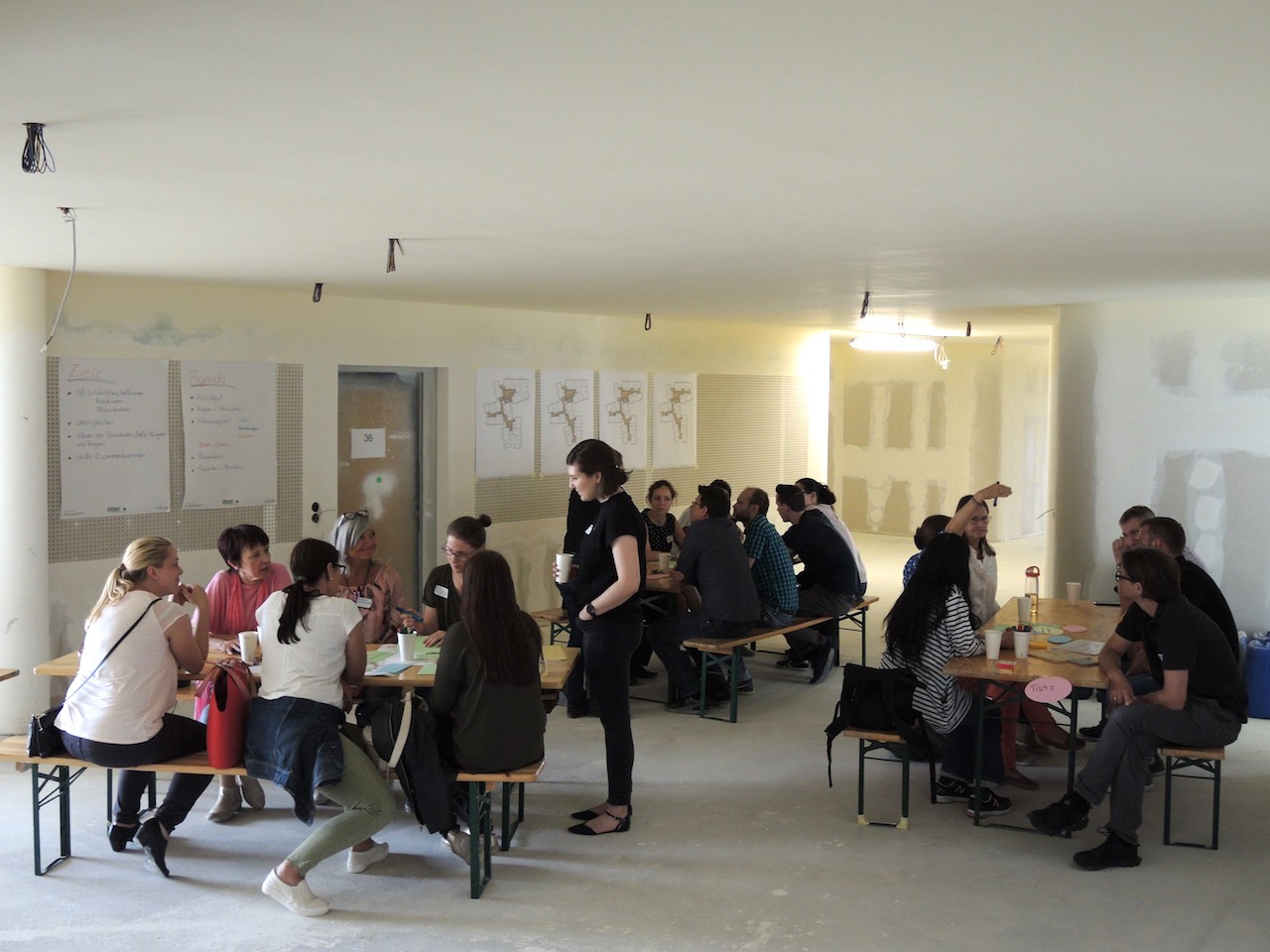
In social housing, participatory processes are playing an increasingly significant role in the design of residents’ own living spaces; residents are becoming active participants (in some cases as early as the planning stage) and, as a result, feel a much stronger connection to their wider residential environment – an important, yet often underestimated, aspect of a housing development’s future-proofing!
Participation and involvement play a key role in enhancing quality of life and, consequently, in fostering long-term satisfaction and a greater sense of care for one’s own living environment. If a residential building ‘works’ well from a social perspective, then we have achieved what defines high-quality housing – namely, providing a home for as long as possible!